Back taxes are something many people do not expect can happen so easily without proper tax planning, especially small business owners, freelancers or individuals who have not set up their accounting carefully. Mistakes or unwitting tax avoidance can lead to an audit and a retroactive tax assessment.
In this article we introduce "back taxes": what they are, who is in the risk group, and what you can do to stop these liabilities coming back to hurt your business and your finances.
What Are Back Taxes and Why Do They Matter?
Back taxes refer to the process by which the Revenue Department has the right to examine a taxpayer's past income or financial transactions, whether a natural person or a juristic person. If it finds that tax was under-filed, filed incorrectly or deliberately evaded, the Revenue Department can assess additional tax retroactively for the period allowed by law
It can also impose penalties and surcharges as appropriate. Such an audit can arise from random selection or from information received from other relevant agencies.
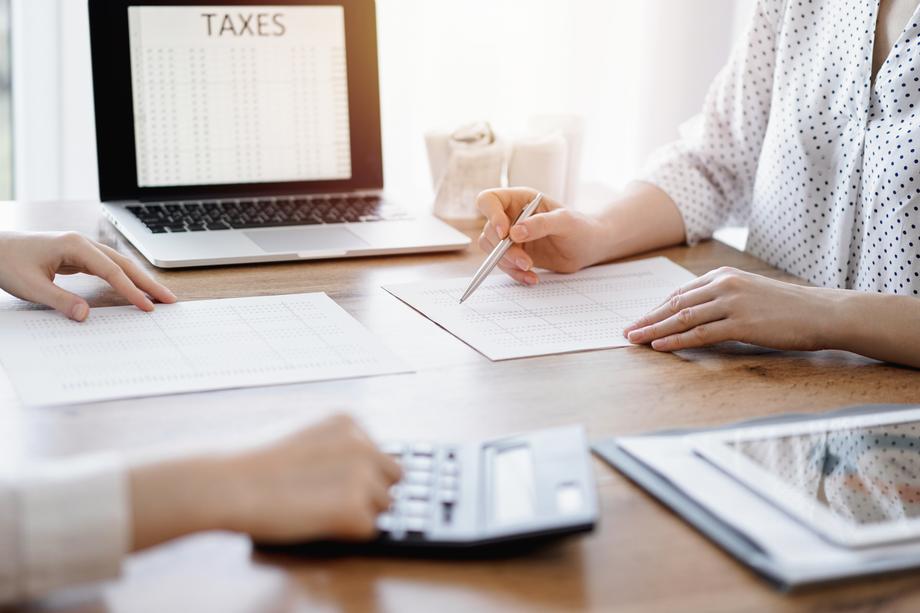
Time Limit for Back-Tax Audits
Up to 5 years in general cases
10 years in cases of deliberate tax evasion
1 year if the Revenue Department already has sufficient information or documents
Consequences of a Back-Tax Assessment
Additional tax must be paid retroactively
Penalties and surcharges as prescribed by law
Possible loss of business or financial credit
Who Is at Risk of Back Taxes?
Back taxes may seem remote, but in reality the risk group is larger than you think, and it usually comes from not knowing tax law or planning taxes poorly.
Business Owners Who Have Not Filed Taxes Correctly
Registered a company but never filed financial statements
Registered for VAT but never filed a return
Freelancers or People with Extra Income Who Do Not File
Online income, such as selling on Facebook or Shopee
General contract work or side income not declared to the Revenue Department
People Whose Assets Are Out of Proportion to Their Income
Assets that grow rapidly with no clear source of income
Buying a house, car or other major asset that does not match their income
People Who Have Claimed Excessive VAT Refunds
Claiming refunds without genuine tax invoices
Using false documents or transactions that never took place
Behaviour That Puts You at Risk of Back Taxes
Many people think filing taxes is just submitting a form and paying tax on their income. In reality, certain behaviour, even if unintentional, can make the Revenue Department suspicious and trigger a retroactive audit. If any of the following applies to you, correct it right away
Not filing an annual income tax return
Filing, but incorrectly or with incomplete income
No evidence of withholding tax
Mixing personal and business bank accounts

How Does the Revenue Department Audit Back Taxes?
The Revenue Department has many tools and databases for back-tax audits, especially in the digital age, when data can easily be linked.
Cross-Checking Data with Other Agencies
For example, transaction data from banks, the Department of Business Development (DBD) and the Land Office
Checking Tax Refund Claims
If an unusually large refund is claimed
Information from Third Parties
For example, business partners, customers or a previous accounting provider
How to Prevent Back Taxes Like a Professional
Once you understand that the risk of back taxes can affect anyone, prevention starting today is essential, especially for people with several income sources or their own business. A clear tax system effectively reduces the risk of a retroactive audit.
File Taxes Correctly and on Time
Even with a small income, you should file an annual return, to show transparency and reduce the risk of a retroactive audit.
Separate Personal and Business Accounts
We recommend opening a separate account for business income and expenses, so that it is easy to check and the evidence is clear.
Use an Experienced Accounting Firm
An accounting firm that understands tax law will help you plan correctly, reduce the risk of back taxes, and prepare complete documentation.
Review Income and Tax Documents Every Year
Review the information used for your tax return every year to make sure it is correct and complete, especially withholding tax certificates and receipts.
Back Taxes Can Be Prevented with Knowledge and Planning
"Back taxes" are no longer a distant concern. Everyone with income should take correct, transparent tax filing seriously. Planning ahead, keeping accounts clearly separated and consulting an expert will greatly reduce the risk.
If you are not sure whether the way you currently handle your accounting and taxes is correct, do not wait to be audited later, because the impact of back taxes can seriously damage your finances and the credibility of your business.
Choosing a professional accounting firm such as YMTD Accounting, with experience and specialist expertise in tax, will give you confidence and let your business run smoothly.