
In the world of business, large or small, the "invoice" is a key tool for managing finance and accounting. Preparing invoices correctly not only reflects professionalism but also makes the collection and bookkeeping process clear and legally compliant
Although it may seem like just one sheet of paper, a billing document plays an important role in business communication. It is legally effective evidence of a demand for payment, and if prepared incorrectly it can affect the organization's credibility and operations in the long term
What Is an Invoice, and Why Does It Matter?
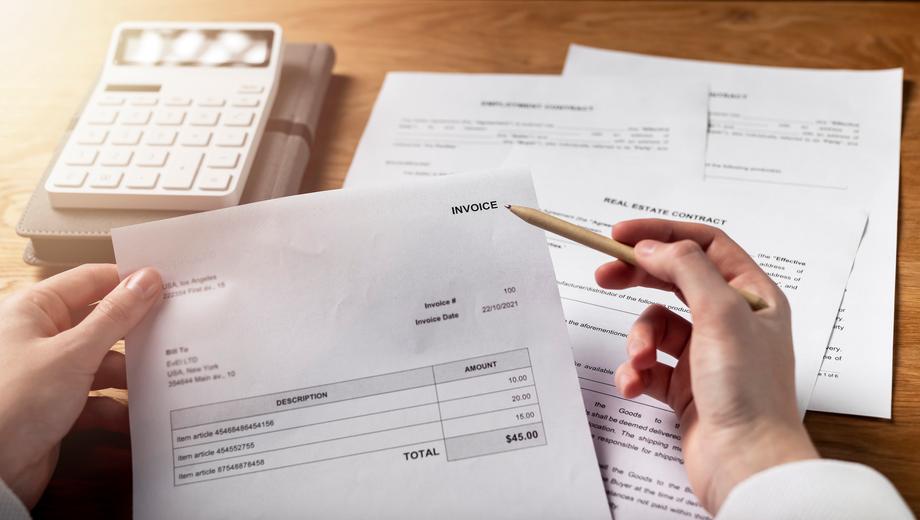
An invoice is a document that a seller or service provider issues to the buyer to state the amount payable for goods delivered or services already provided. It acts as a transparent record of the transaction details: quantity, price, payment due date and the parties involved, so that both sides have the same understanding of the payment
Why Is an Invoice Important?
It is official evidence of a demand for payment
It supports value added tax (VAT) filings
It helps manage income and expense accounts systematically
It is a tool for building the business's credibility
Key Elements an Invoice Should Contain
A good invoice should contain complete information in line with the Revenue Department's rules and show the business details clearly. The content should communicate straightforwardly so that seller and buyer understand the same information, reducing confusion in the payment and bookkeeping process
Information That Should Appear on an Invoice
Name, address and tax identification number of the issuer
Name and address of the buyer or service recipient
Invoice number and issue date
List of goods/services with details and unit prices
Total amount both before and after VAT (if any)
Buyer's tax identification number (if any)
Payment terms, such as the due date or transfer method
The Difference Between an Invoice and a Tax Invoice
Many people confuse the "invoice" with the "tax invoice", because both documents often appear at the same stage of a sale of goods or services. However, they play different roles as tax documents, with different legal and accounting effects
Key Differences
Invoice: a document stating the amount payable; it is not yet considered a tax charge
Tax invoice: a tax document that must be issued when goods/services are sold and VAT is collected from the buyer
Formatting an Invoice So That It Looks Credible
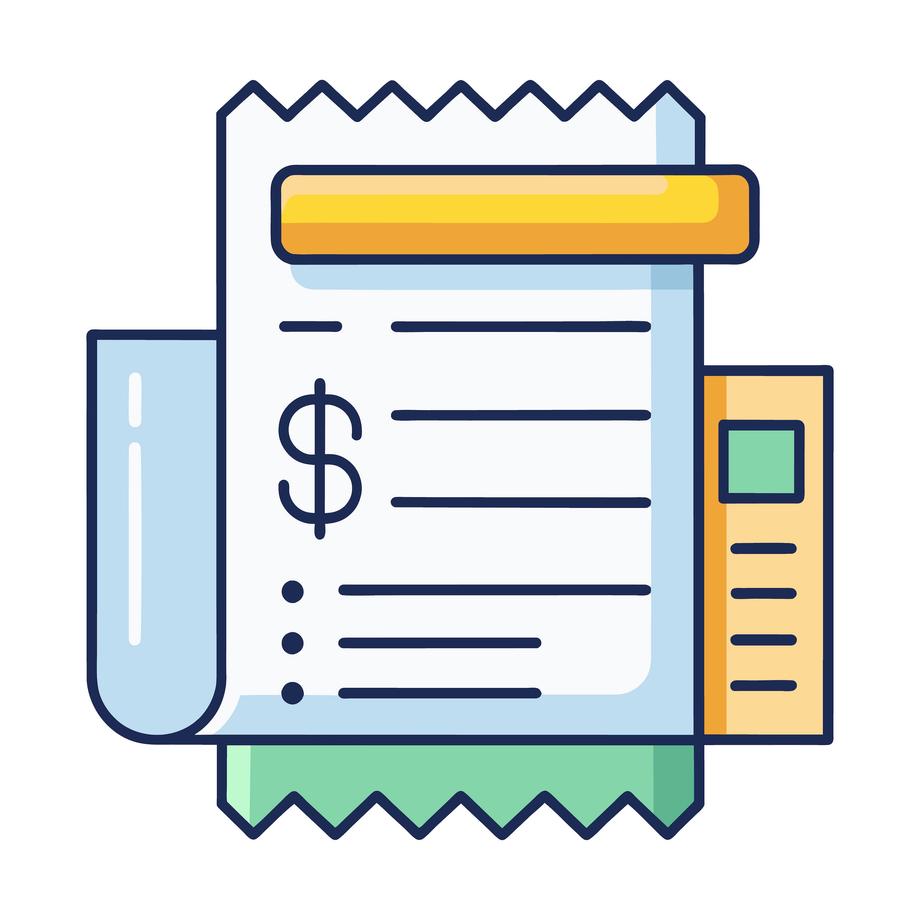
Designing an invoice that is attractive, easy to read and formal builds customer confidence in the business and affects payment. Besides making the document look credible, it reduces errors from misunderstanding and shows customers that the business has standards and cares about detail
Things to Consider
Use a clear, formal font
Structure it clearly: header, line items, totals, terms
Provide contact channels such as a phone number, email or QR code
Mistakes to Avoid When Issuing Invoices
Errors in billing documents can lead to payment problems or accounting errors, such as a wrong total, mismatched line items or incorrect customer details. These can delay payment, lose customer confidence or trigger a later audit by the Revenue Department. Examples of errors:
Forgetting the date or the billing document number
Line items that do not match reality
Wrong total or incorrect tax calculation
Not stating the payment method clearly
Programs That Issue Invoices Automatically: Examples of Popular Programs
A modern business should use accounting software or an ERP system that can issue billing documents automatically, for speed and fewer errors
FlowAccount
PEAK
QuickBooks
Xero
Invoices and Setting Up the Organization's Accounting System
The invoice is directly linked to the organization's accounting system. Managing these documents to a standard makes audits run smoothly
Relationship with the Accounting System
Used to record revenue correctly
Supporting evidence for filing financial statements
Enables accurate cash flow analysis
Tips for Managing Invoices Professionally
Managing invoices systematically not only reduces errors but also gives the business a more professional image
Techniques That Improve Efficiency
Number billing documents sequentially to prevent duplicates
Keep copies of billing documents in both digital and paper form
State payment terms in advance to prevent overdue accounts
Invoices and Tax Audits
If your business is in the VAT system, billing documents may be among the documents the Revenue Department examines during an audit, so issue them correctly and keep them complete
What to Have Ready
A list of past billing documents
Evidence of transfers or cheques
Supporting documents such as tax invoices or delivery notes
A Good Invoice Is the Foundation of a Professional Business
An invoice is not just a document stating an amount due; it is one of the key tools for running a business efficiently. Issued correctly, completely and in line with the accounting system, it helps your business grow steadily, reduces financial problems and increases credibility with trading partners
Remember that a good billing document starts with correct understanding and attention to the small details that produce big results in the long run