
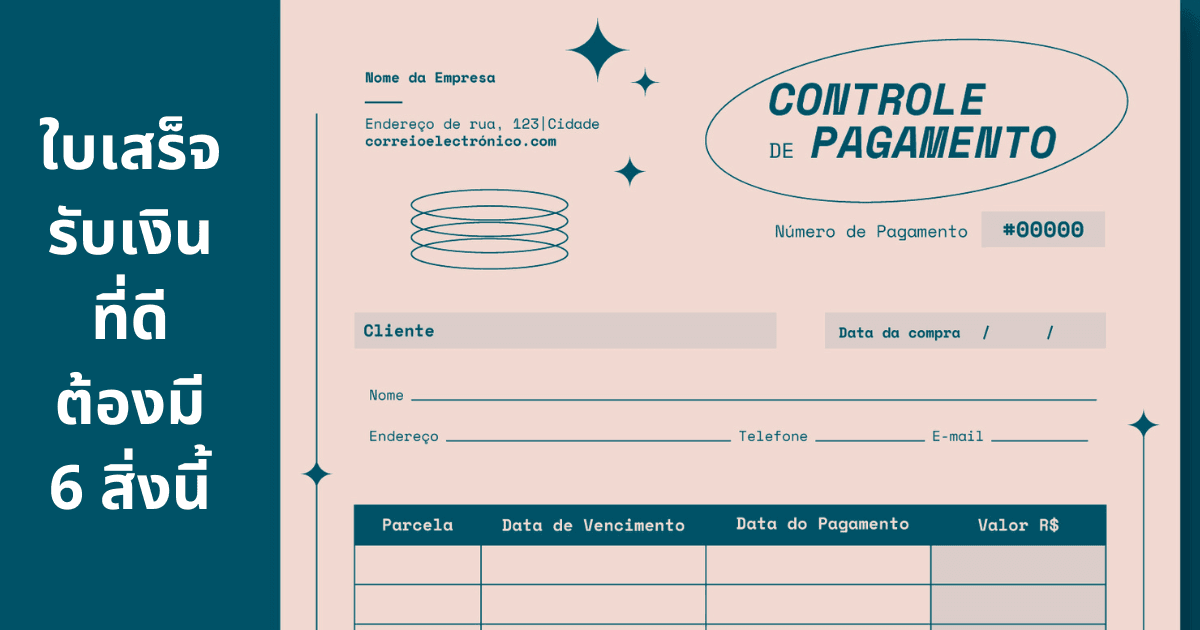
In the digital age, where doing business is more complex, the receipt has become an important document. It is no longer just a simple record of money received but a tool that reflects professionalism and builds customer confidence
If you are a business owner or entrepreneur, designing a correct and complete receipt will make your business look trustworthy and help you avoid legal problems
This article introduces the 7 key elements every receipt must have, with tips for creating receipts that meet the needs of a modern business
so that you can use them effectively and impress your customers
Basic Elements of a Correct Receipt
A good receipt is not just a document with numbers; it must contain complete information and meet legal standards. A business with correct receipts builds customer confidence and prevents future problems
The first key element is the issuer's details, which must state the business name, a clear address, a contact telephone number and, for a juristic person, the tax identification number. This information reassures customers that they can get back in touch if there is a problem
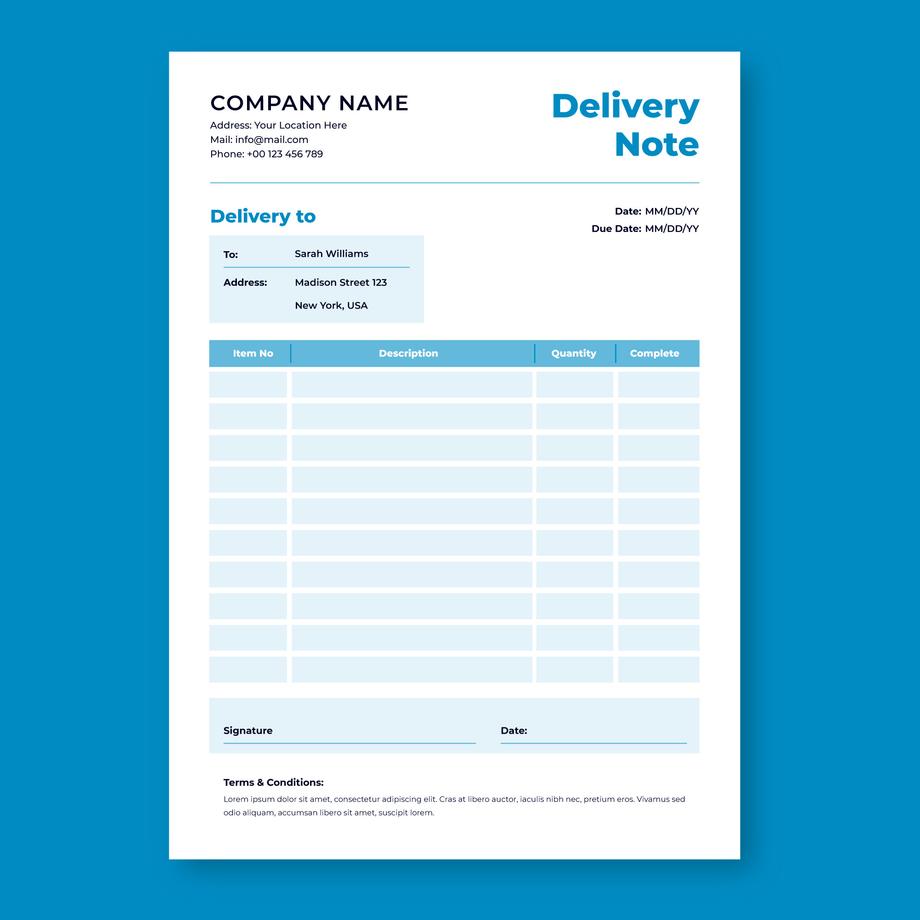
The second element is the recipient's or customer's details, which should include the customer's full name or company name, plus the address if needed. Clear customer details help with reference and follow-up in the future
The receipt number is the third element and must not be overlooked. Sequential receipt numbers help with filing, auditing and systematic bookkeeping. Use a format that is easy to understand, such as R001, R002 or RCP240001 (year 2024, number 00001)
The Date and Time Required on a Receipt
Stating the date and time on a receipt should not be overlooked, because this information matters for bookkeeping, tax and tracking the business's cash flow
The receipt date should be the date the money was actually received, not the date the goods were delivered or the service provided. The correct date keeps the bookkeeping in line with proper accounting principles and lets the receipt serve as evidence for tax purposes
For businesses with many transactions in a single day, stating the time the receipt was issued helps distinguish the transactions more clearly, especially restaurants, retail shops or service businesses with many customers
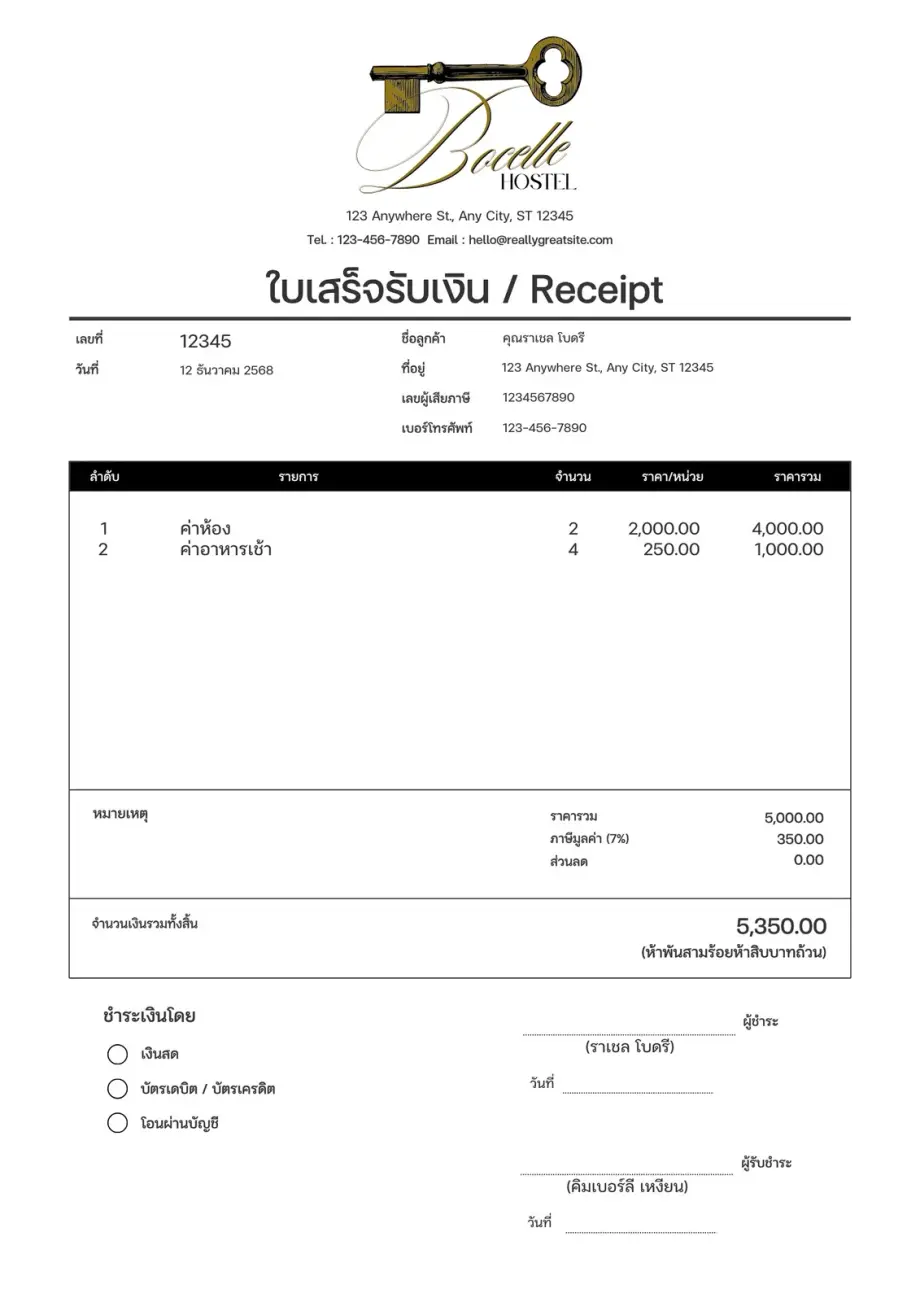
Using a standard date and time format is also important, for example 16 February 2024 at 14:30, or 16/02/2024 14:30. A consistent format on every receipt looks professional and makes filing easier
A Receipt Should Include Complete Details of Goods and Services
Stating the details of goods and services on a receipt creates clarity and reduces errors in transactions. Good details help the customer understand what they received and let the business track stock and sales accurately
The name of the product or service must be stated clearly and understandably on the receipt. Avoid codes or abbreviations the customer does not understand: instead of writing "PRD001", write "white polo shirt, size M" or "haircut and shampoo service"
Quantity and unit must be stated clearly, especially for goods sold in different units such as pieces, kilograms, liters or hours. The correct unit prevents misunderstandings and disputes later
The unit price and total price should also be shown clearly on the receipt. Showing the unit price separately helps the customer understand and check it easily, especially when buying several items or several types of goods
For businesses with many types of products, grouping the items on the receipt makes it easier to read, for example food, drinks and desserts, or goods and services
If there is a discount or promotion, state clearly what the discount is for, how much it is and how much remains to be paid. Showing this information transparently builds customer trust
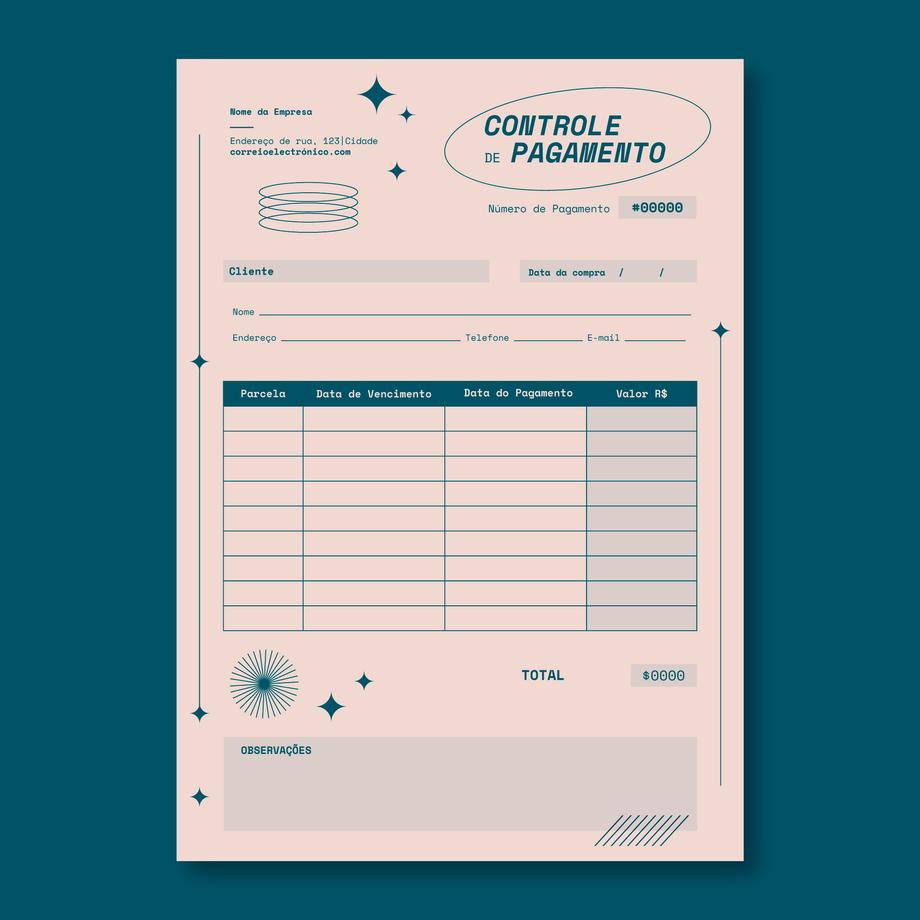
Accurate Tax Calculation and Totals: Receipts Matter and Have a Process
Calculating tax on a receipt deserves attention, because it is governed by tax law and a mistake can affect the business
For businesses that must charge value added tax (VAT), the 7% VAT must be shown separately from the price of the goods, either as "price + 7% VAT" or "price including VAT", depending on the business's pricing policy
Using a program or application to do the calculation reduces errors and speeds up issuing receipts, especially for businesses with complex transactions or many customers
Payment Method and Confirmation of Receipt
Stating the payment method on the receipt is important information for tracking cash flow and bookkeeping, especially now that there are so many payment channels
Cash payment is the traditional method still in use. State the amount the customer paid, the change given and the net amount received, for example "cash received 1,000 baht, change 50 baht, net 950 baht"
For bank transfers, state the bank name, the (partial) destination account number, the transfer time and the reference number, if any. This information helps with checking and matching the transaction against the bank's confirmation
For payment by QR code or e-wallet such as TrueMoney, ShopeePay or PromptPay, state the application used, the reference number and the transaction time. Keeping this evidence helps with bookkeeping and verifying income
Confirmation of receipt should carry the signature of the person receiving the money or the business's stamp, together with the recipient's name. For digital receipts, a digital signature or confirmation code may be used instead
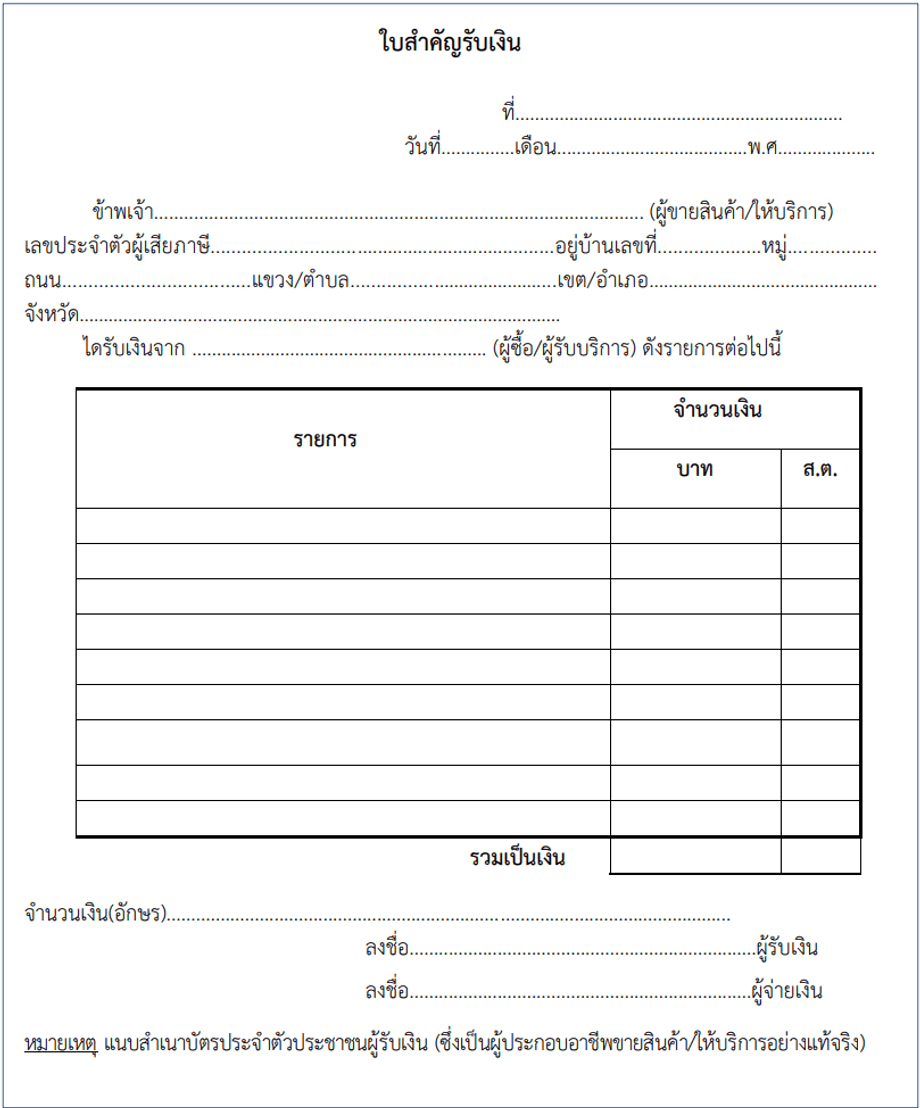
The Perfect Receipt for a Modern Business
Creating good, complete receipts is something businesses of every size should take seriously, because a receipt is not only a necessary legal document but also a tool that reflects professionalism and builds customer confidence
The 7 key elements described above are: the basic details of the issuer and recipient, the correct date and time, complete details of goods and services, accurate tax calculation and totals,
the payment method and confirmation, contact details and stamp, and the use of modern technology. These will help your business create receipts that meet every need
Investing in a good receipt system pays off for the business in the long run. It not only helps with bookkeeping and tax, but also builds a good impression and trust from customers